
‘Wi’ tippenny we fear nae evil, but wi’ usquabae we’ll face the devil.’
Wise words perhaps, from Robert Burns in Tam o’ Shanter. In old Scots, tippenny referred to a cheap beer, costing two old pence. Usquabae, of course, means whisky, or the water of life. Thomas Aitkenhead might have been wise to heed the words, that August evening in 1696. He was going to need all his courage over the next few months. Thomas and his three friends were hurrying down the Royal Mile in Edinburgh, past the Tron Kirk, to escape the weather.
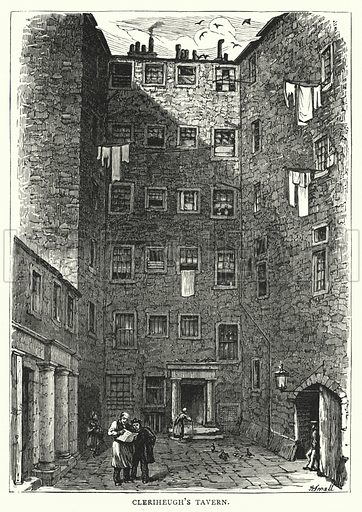
Cleriheugh’s Tavern, slightly further up, was where they had probably been drinking, a favourite haunt for students and the legal profession in general in these days. Thomas was 19, and a theology student at the University. August, like the rest of the year had been cold, wet, and miserable. That decade, from 1690 to 1700, as we now know, had been the coldest for the past 750 years, and the worst would become known as the ‘Seven Lean Years’, killing off an estimated tenth of the Scottish population through famine. Thomas might have had one beer too many, he probably didn’t care, but as he hurried down the road he made a comment to his friends, saying ‘I wish right now I were in the place Ezra called Hell, to warm myself there’. Over the next few days what he had said was discussed in hushed tones by others, until finally the Kirk heard the story. It seemed that over the past few months Thomas had made a number of similar comments, in jocular tones, saying that he thought the whole story of Christ was a myth, even calling the apostles ‘a bunch of witless fishermen’. The church wasn’t amused.
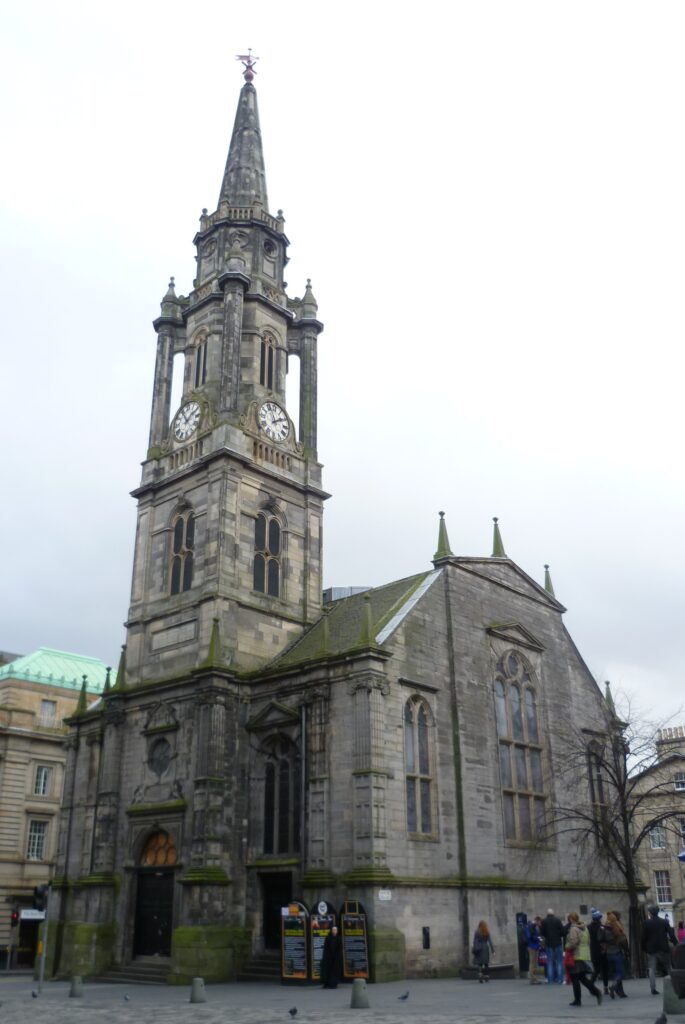
In these days, the church was powerful, and the leading authority in the country. More powerful, arguably, than Royalty or parliament. By this time in Scotland’s history, certainly South of the Highland line, the old Catholic faith had been replaced by the fierce Calvinist approach , started by John Knox, in the Protestant Reformation. He firmly believed that the Bible was the literal word of God, a harsh God, who punished sinners and blasphemers severely. Everything in life in Scotland was governed by this belief. Rules, regulations and laws had to be approved by the church. What people were taught, what they believed, what they were allowed to learn, their everyday routine, even what they wore and did, especially on the Sabbath was by prior approval. Little was known of science, it was seen almost as the anti-Christ, as it explained things in a different way from the church Almost all that was taught at the Universities needed prior approval as well. Young intellectual Scotsmen would have to wait until about the 1730’s, at the start of the Enlightenment, before they could study much of a scientific nature, or even anything remotely different from the Calvinist approach. The church tried it’s hardest to prevent Francis Hutcheson, one of Scotland’s leading thinkers in the early Enlightenment, and someone who believed that the old Calvinist dogmas that people were innately sinful and pre destined for heaven or hell, was wrong, from teaching Theology at Glasgow University, in 1729. Some of the students there firmly believed that Hutcheson was the best contender and threatened to leave the university, taking their fees with them, if he wasn’t given the post. The issue was finally settled when Archibald Campbell, Lord Islay, and head of the Campbell clan, also threatened to remove his liberal funding for the University, if Hutcheson wasn’t taken on. The church, and the university’s leaders gave in, and Hutchison was elected.
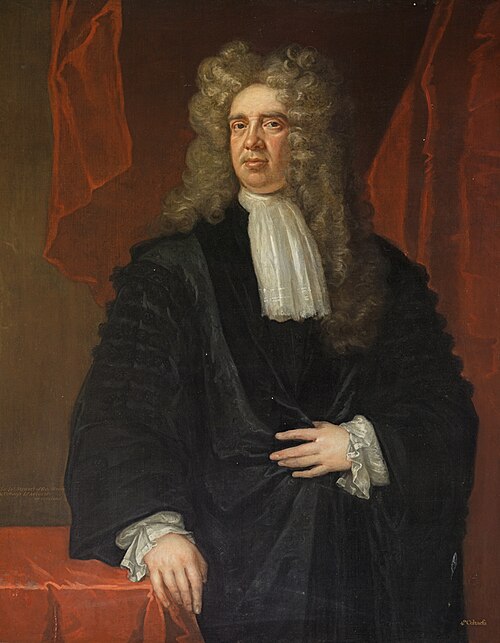
In the months following Thomas’s ill spoken words, the church and the local authorities, developed a pretty full dossier on him, with further evidence that he was actually a non believer. Was it true…..could someone who was obviously not a half wit, actually believe something other than the written word ? And if so, it was the church’s solemn duty to remove him from circulation. Rumours travel fast. Word of the incident went from mouth to mouth in the town, especially in the more intellectual quarters, probably being exaggerated as it went. Lord advocate James Stewart, a keen supporter of the church, heard it, and decided that if it was true, a death warrant was called for.
One of the witnesses against Thomas was his one time friend, Mungo Craig, who had been to the tavern with him. He even asserted that Thomas has ‘railed and cursed’ against God, more than once, even calling the whole story of the bible a silly myth. It might just have been a bit of light hearted banter, from a nineteen year old with a good imagination, and a few beers inside him, trying to impress his friends, but for James Stewart it constituted blasphemy. Thomas was arrested in November and taken to the Tolbooth. There he repented, but to no avail.
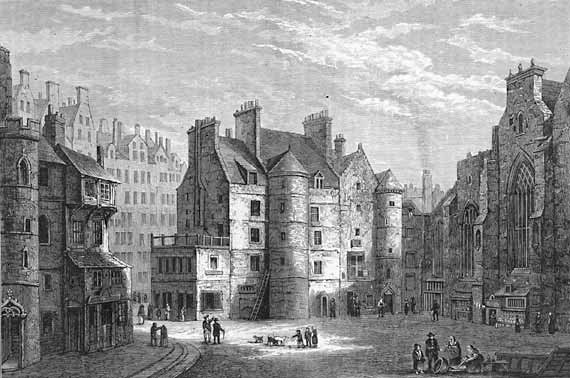
The case went to trial. No defence was called. He even petitioned the Privy Council to ‘consider his deplorable circumstances and tender years’. Given the power of the church at the time, and the fact that most people, certainly those in any position of civil authority, were almost obliged to uphold the church, the sentence was almost a foregone conclusion. Word of the case travelled fast through the country. Lords Anstruther and Fountainhall, both experts on the law, questioned the boy in prison. He repented again in tears but the evidence was there. The Church could of course intervene, and ask for a reprieve. But that was unlikely. At the time, the Scottish Presbyterian Church was aware of a growing ‘slackness’ in religion, coming from south of the border. English thinkers and philosophers, such as John Locke, were trying to edge people towards a softer, more liberal understanding, saying religion was a matter of personal concience. They didn’t like it. An example had to be made. An appeal even went to King William and Queen Mary in Whitehall, but the church got wind of it and persuaded them not to intervene. The General Assembly urged ‘vigorous execution, to curb the abounding impiety and profanity in this land’.
Sentence was passed. On the 8th of January, 1697, under a low and troubled sky, Thomas Aitkenhead was marched to the gallows near Leith, and hanged until dead. His final words were to recommend his spirit to the Lord, and to forgive his friend Mungo Craig.
This was Scotland, three hundred odd years ago. Over the next hundred years, the Enlightenment would change everything.
Blasphemy is still illegal in approximately seventy countries worldwide. Penalties range from mere fines to death. In some, with poor literacy and a poor education, especially in more rural areas, religion can be a lifeline and an ideal, and provides hope for a better life, for many. Perhaps not surprisingly, anger erupts when their particular religion is brought into question or criticised. Sometimes, although no one has actually been convicted by the courts, those accused of blasphemy can be targeted by mobs, before a court case starts.
Religion, as with politics, is still a touchy subject, but as Albert Einstein once wrote ‘ Science without religion is lame, religion without science is blind ‘.
Nigel Bialy. June 2026.
Sources and References :
https://en.wikipedia.org/wiki/Thomas_Aikenhead
Celebrated criminal trials, by Hugo Arnot, 1785……copy available in library
The Scottish Enlightenment, by Arthur Herman
https://www.bbc.co.uk/news/articles/cz9pg8d42
Read more at https://www.escapethepast.co.uk/post/history-of-public-executions-edinburgh